Mobile power
Plan a 12 V power system for an RV or van.
Start with what you want to power, how often you drive, the available roof area, and where the battery will be installed. Enerwav sells several of the main components, but not a complete RV kit.
If every appliance can run on 12 V DC, you may not need an inverter. Choose the battery and charging equipment only after checking cable length, fuses, distribution, and mounting.
How a 12 V system connects
- Alternator
- Solar array
- Charge control
- Main fuse
- 12 V battery
- Shunt monitor
- DC distribution
- Lights, fan, pump, USB
Your power needs
Choose what the system needs to do.
- 01See battery maintainers
Maintain a stored battery
Solar maintenance for supported batteries during storage.
- 02See the 12 V DC setup
Run DC lights, fans, pumps, USB and controls
Use this setup when every listed appliance runs on 12 V DC. No inverter is needed.
- 03See the 120 V requirements
Add 120 V appliances or shore charging
List every 120 V appliance and its starting power before choosing an inverter.
12 V DC system
Power the 12 V loads first.
For lights, fans, pumps, USB, and controls, start with the 12 V DC appliance list. Enerwav sells chargers and batteries for this use. The parts needed for a complete protected installation are listed below.
Charge while driving
SRNE DCI12-1230
12 V to 12 V, 30 A DC-to-DC charger
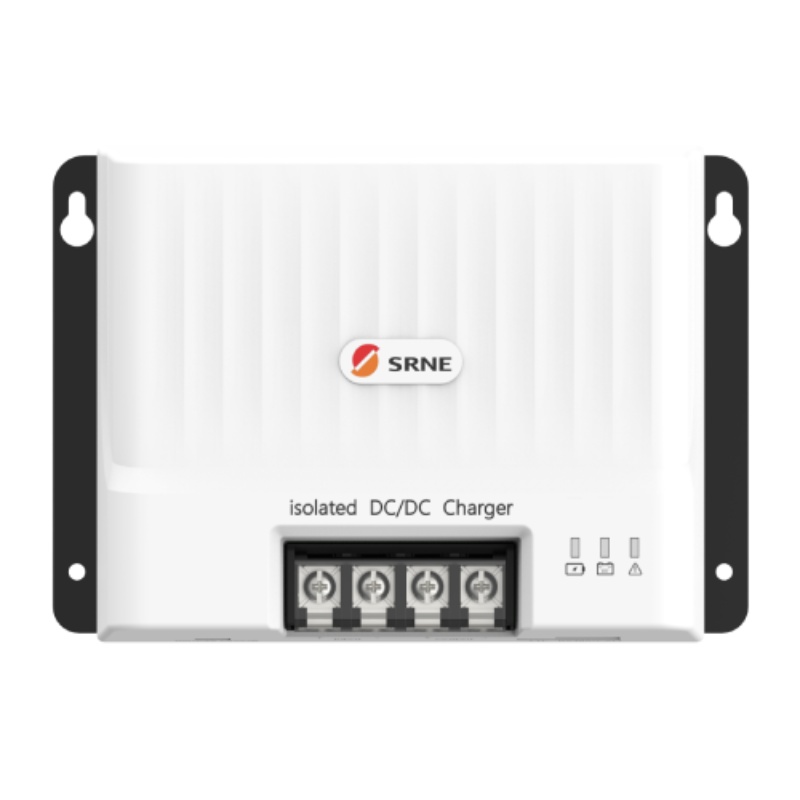
Confirm the vehicle, alternator type, and ignition signal before ordering.
View productChoose storage
NITRO 12.8 V LiFePO4 range
Available capacities from 20 Ah to 300 Ah
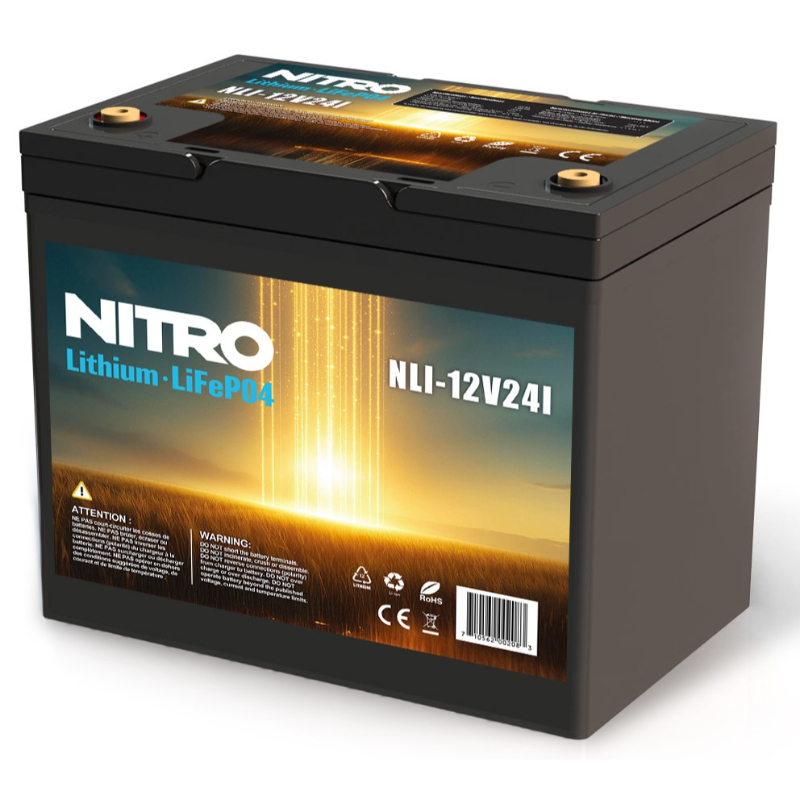
Check the battery's charge and discharge limits against every charger and appliance.
Compare batteriesAdd solar charging
Victron SCC115060211
SmartSolar MPPT 150/60-Tr
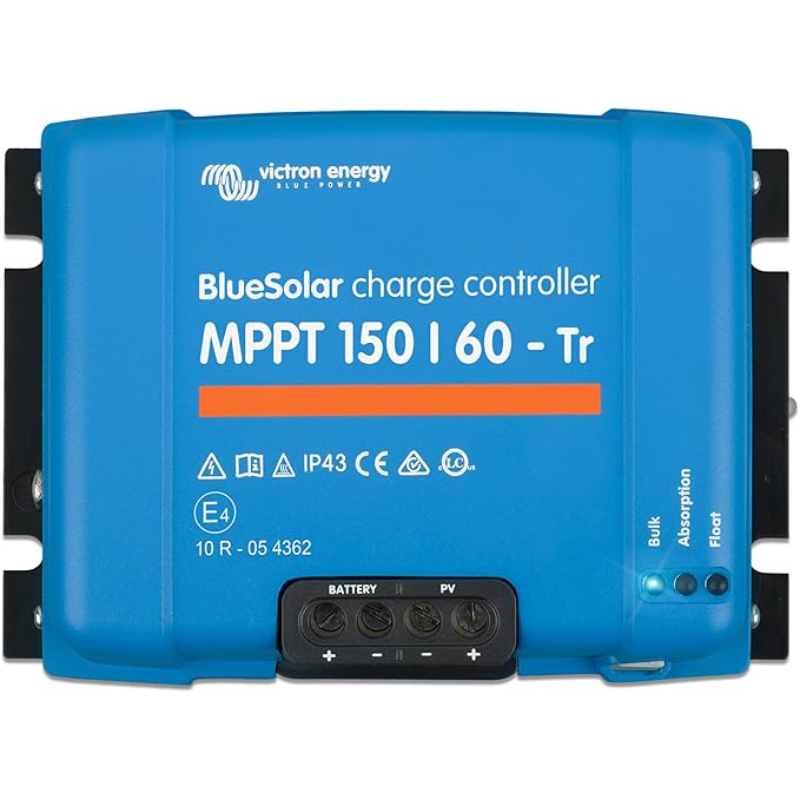
Match the controller current and solar-panel wiring to the battery.
View controllerConnect system data
Victron BPP900450110
Cerbo GX MK2 gateway
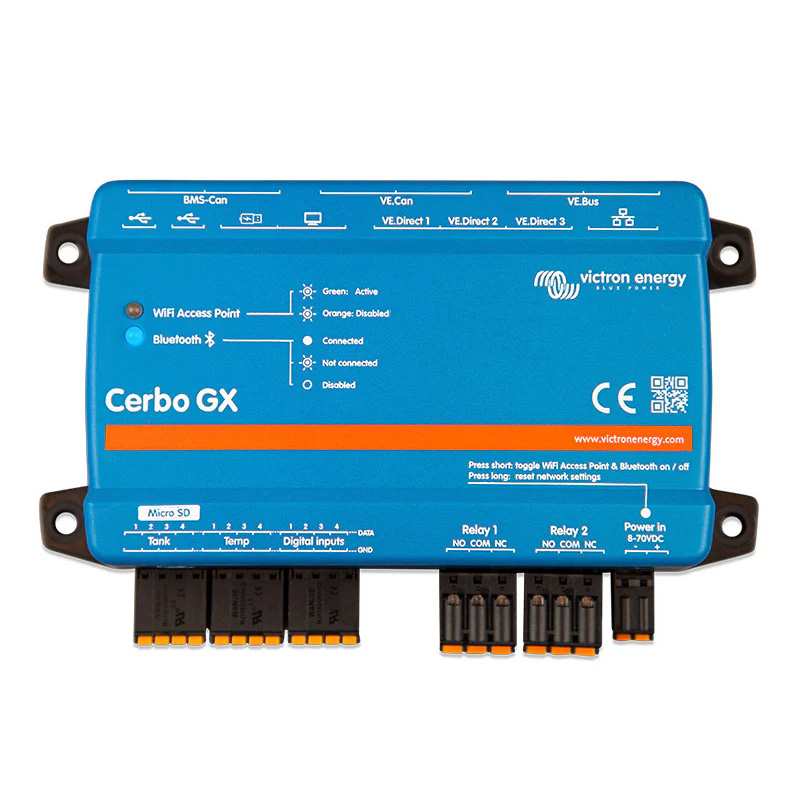
A gateway does not replace a shunt-based battery monitor.
View gatewayParts Enerwav does not yet stock
- 100 to 200 W mobile module
- Shunt monitor
- Main fuse and holder
- Battery switch
- Covered DC distribution
- Cable and lug set
- Battery box or restraint
- Roof entry and mounts
Information to collect
Write down these details before choosing products.
The vehicle and appliance list determine the system. A kit label is not enough.
- 01
Vehicle and alternator
Year, make, model, alternator type, and any existing converter.
- 02
DC and AC loads
Watts or amps, hours per day, starting surge, and simultaneous use.
- 03
Charging sources
Driving time, roof solar, shore service, and generator.
- 04
Battery installation
Location, cable lengths, ventilation, restraint, and winter temperature.
- 05
Runtime target
Hours or days between charging opportunities.
- 06
Installation path
Who will design, install, inspect, commission, and service the system.
Example calculation only
Worked example
RV reference load
Assumptions
- 1,600 Wh used each day
- 4.0 peak sun hours and a 0.78 derate
- 1.5 autonomy days at 90% usable lithium depth
- 12 V battery bank
Calculation
- 1,600 ÷ (4.0 × 0.78) = about 510 W of array
- 500 ÷ 12 × 1.25 = about 52 A of controller current
- 1,600 × 1.5 ÷ 0.90 = about 2,700 Wh of storage
Result:About 510 W of array and 2.7 kWh of storage before roof, weather, battery, and charge-source checks.
Sources and assumptions (2)
- Enerwav sizing rules reviewed on 2026-07-27.
- Product records and specifications are checked again at quote.
Before installation
A qualified installer must complete these checks.
Vehicle modification
A qualified installer must approve any change to the vehicle.
Canadian product acceptance
Approval marks on individual products do not approve the finished installation.
Final fuse and cable design
The installer must size the final fuses and cables.
Inspection and commissioning
The installer must inspect, test, and approve the completed system.
Plan the system
Send the appliance list before buying equipment.
Enerwav will identify compatible products, the information still needed, and the parts it does not yet stock.
Common questions
What to know before choosing equipment.
Will a 440 W panel fit my RV roof?
It depends on the roof. Measure clear area, weight limits, shade, mounting points, and travel height first.
Do I need alternator charging?
Many travel patterns benefit from it, but the charger must match the alternator, battery chemistry, and wiring.
Can one battery run a 3,000 W inverter?
Do not assume one battery is enough. Victron recommends a 400 to 1,200 Ah bank for the current 12 V model. A qualified installer must size the battery, cables, fuse, and disconnect.
Does Enerwav sell everything needed for an RV system?
No. The catalogue lists batteries, a 30 A DC-to-DC charger, a 60 A solar controller, a 3 kVA inverter-charger, and a system gateway. Enerwav does not yet stock every part needed for a complete installation.