Cottage and off-grid power
Plan cottage power from the appliance list.
List every appliance, its running power, starting demand, daily use, and the season. That list determines whether the current 24 V products belong in the system.
Enerwav has an inverter-charger, solar controller, battery, and gateway for a possible 24 V system. These four products do not form a complete cottage system.
What a complete 24 V system must connect
- Solar array
- Charge controller
- PV and battery protection
- 24 V battery bank
- Inverter-charger
- AC and DC distribution
- Listed appliances
Type of use
The same equipment does not fit every cottage.
- 01
Small DC-first cabin or shed
Start with lights, a small pump, fans, USB, controls, and other DC loads. A 5 kVA inverter may be larger than this use requires.
- 02
Seasonal cottage with mixed AC loads
The current 24 V products may be useful after the appliance list, autonomy, solar array, generator, protection, and battery bank are checked together.
- 03
Shed or workshop with motors
Record the running and starting demand of every pump, compressor, saw, or other motor before choosing an inverter.
- 04
Generator-assisted cottage
Confirm the generator model, output, neutral and grounding arrangement, charge settings, and transfer plan with the installer.
Current 24 V products
Four useful components, but not a complete system.
The appliances and autonomy determine whether these products fit. The battery, inverter, controller, protection, and wiring must be checked together.
Victron PMP242505110
MultiPlus-II 24/5000/120-95, 120 V
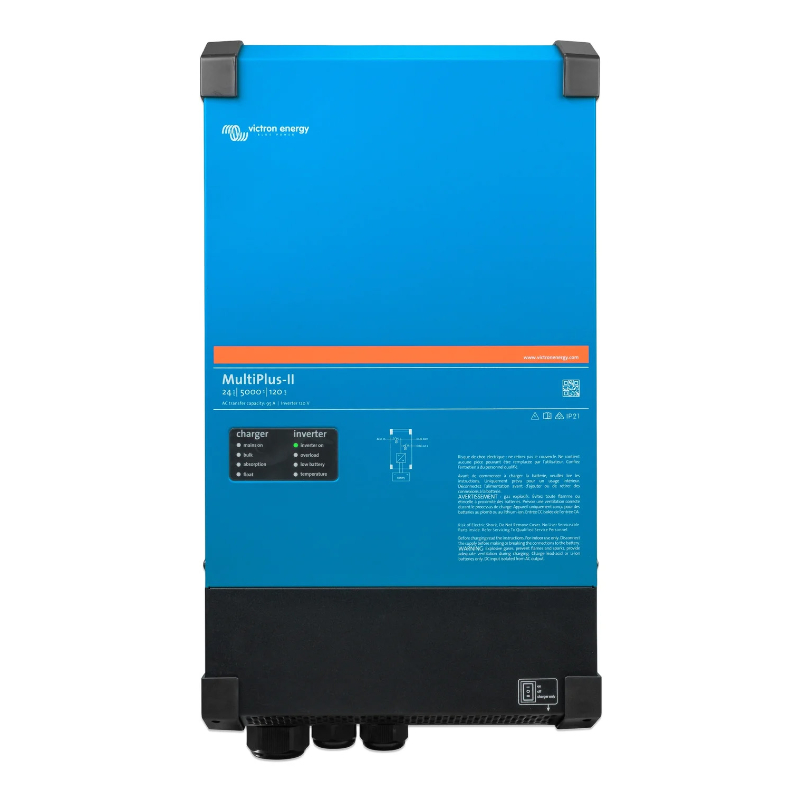
Victron calls for a 400 to 1,200 Ah battery bank and a 400 A DC fuse for this model.
View productNITRO NLI-25.6-200R
25.6 V, 200 Ah, 5,120 Wh LiFePO4 battery
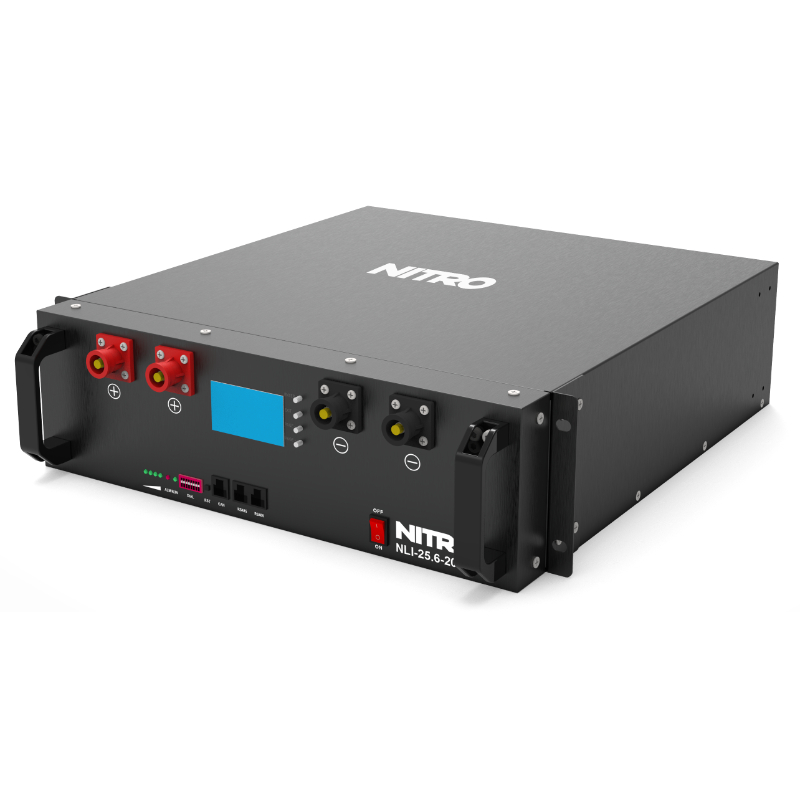
One 200 Ah battery is below the inverter maker's 400 to 1,200 Ah range.
View productVictron SCC115060211
SmartSolar MPPT 150/60-Tr
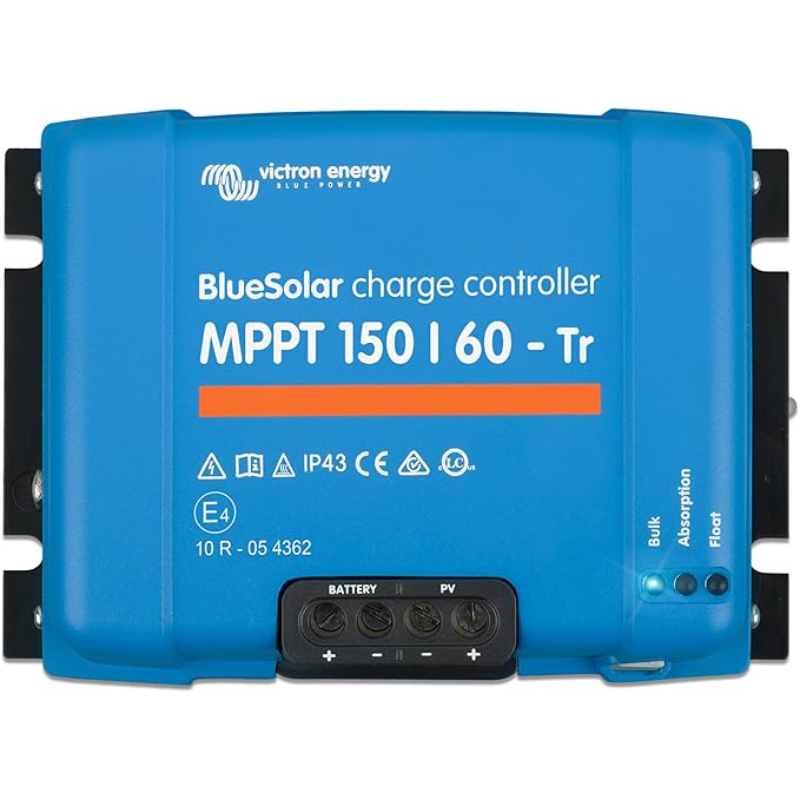
The final panel wiring must fit the controller limits. A 70 to 80 A battery fuse is still required.
View productVictron BPP900450110
Cerbo GX MK2 system gateway
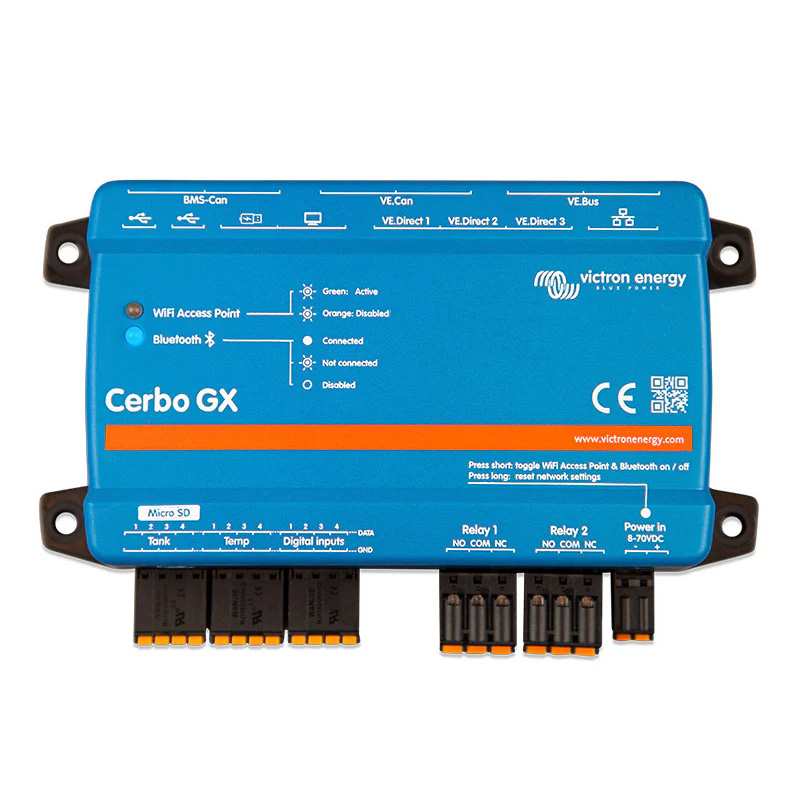
The Cerbo GX is a gateway. It does not replace a shunt-based battery monitor.
View productParts still needed for a complete 24 V system
- Solar modules selected from site area, sun, shade, and winter use
- 400 A inverter protection and a battery disconnect
- Parallel 1/0 or 2/0 battery cables and the required battery harness
- 70 to 80 A protection for the solar controller battery circuit
- Shunt-based battery monitor
- Covered high-current DC distribution
- AC and DC panels, breakers, grounding, and required protection
- PV cable, connectors, mounting, enclosure, installation, and commissioning
Before choosing
Five details that determine the system.
- 01
Appliances
Running watts, starting demand, hours per day, and simultaneous use.
- 02
Days without charging
The required autonomy before solar or generator charging resumes.
- 03
Site and season
Location, available panel area, shade, snow, access, and months of use.
- 04
Existing equipment
Generator, service panel, wiring, batteries, chargers, and grounding.
- 05
Installation conditions
Battery temperature, cable runs, ventilation, moisture, and enclosure space.
Clear limits
What this product set cannot establish yet.
No fixed panel count
Panel quantity cannot be chosen until the loads, site, season, and wiring are known.
No single-battery promise
One current 200 Ah battery is below the inverter maker's stated battery-bank range.
Cold charging must be checked
Battery charging below 0°C must be confirmed before winter use.
Large electric loads are not assumed
This page does not promise electric space or water heating, full-time cooking, air conditioning, or a large workshop.
Plan the system
Send the appliance list before buying equipment.
Include hours of use, starting demand, days of autonomy, season, location, and existing equipment.
Common questions
Answers before choosing components.
Do these four products make a complete cottage system?
No. Solar modules, fuses, disconnects, cable, distribution, grounding, mounting, enclosures, installation, and commissioning are still required.
How many batteries does the 5 kVA inverter need?
The final bank depends on the loads, autonomy, battery limits, and wiring. Victron states a 400 to 1,200 Ah battery range for this inverter.
Can this system run electric heat or hot water?
No such claim is made. Electric heat and water heating can dominate the energy budget and must be assessed from the actual appliance ratings and use.
Does the Cerbo GX measure battery state of charge?
The Cerbo GX is a system gateway. A compatible shunt-based battery monitor is still needed for direct current measurement.